
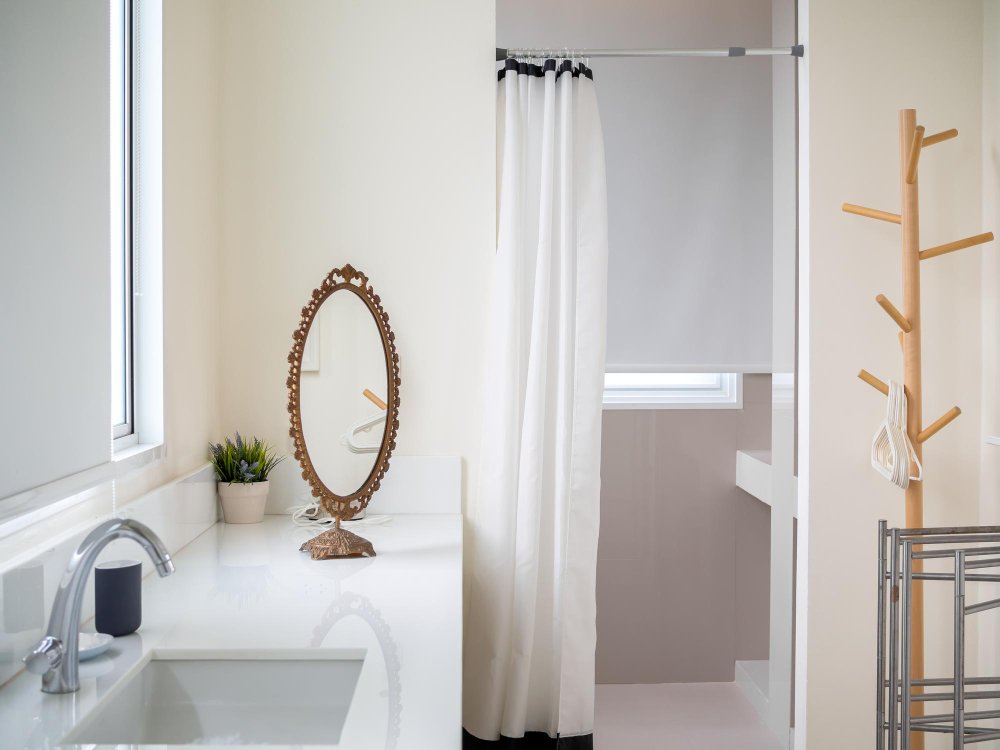
What Is a Shower Curtain Liner?
A shower curtain liner is a waterproof or water-resistant barrier that hangs inside the bathtub or shower.
Its primary job is to prevent water from escaping onto bathroom floors.
Common Materials Include:
- Vinyl
- PEVA
- EVA
- Polyester fabric
Each material offers different advantages.
Why Do You Need a Shower Curtain Liner?
Many homeowners underestimate its importance.
Major Benefits Include:
- Water containment
- Mold prevention
- Floor protection
- Easier cleaning
Without a liner, water can damage surrounding surfaces.
How a Shower Curtain and Liner Work Together
Both products serve unique purposes.
Shower Curtain
- Decorative
- Enhances style
- Visible from outside the tub
Shower Curtain Liner
- Functional
- Water resistant
- Installed inside the tub
Together, they provide beauty and protection.
Different Types of Shower Curtain Liners
Homeowners researching whats a shower curtain liner should understand the available options.
Vinyl Liners
Advantages include:
- Affordable pricing
- Excellent waterproofing
However, some homeowners prefer alternatives due to odors.
PEVA and EVA Liners
Benefits include:
- Reduced chemical content
- Eco-friendlier options
- Lightweight construction
Polyester Fabric Liners
Advantages include:
- Machine washable
- Elegant appearance
- Long lifespan
These are increasingly popular.
How Long Should a Shower Curtain Liner Last?
Lifespan depends on material quality and maintenance.
Average Lifespans:
- Vinyl: 6 to 12 months
- PEVA: 1 to 2 years
- Polyester: 2 to 5 years
Proper cleaning extends longevity.
Signs It’s Time to Replace Your Liner
Even high-quality liners eventually wear out.
Watch For:
- Mold growth
- Persistent odors
- Tears or cracks
- Discoloration
Replacing liners regularly protects bathroom surfaces.
Choosing the Correct Size
Proper sizing improves performance.
Standard Dimensions Include:
- 70 x 72 inches
- 72 x 72 inches
- Extra-long versions
Measure your shower before purchasing.
How to Prevent Mold and Mildew
Moisture management is essential.
Helpful Practices Include:
- Spread the liner after each shower
- Improve ventilation
- Run exhaust fans
- Clean regularly
These habits reduce microbial growth.
Cleaning Your Shower Curtain Liner
Routine cleaning preserves hygiene.
Recommended Methods Include:
- Machine washing fabric liners
- Wiping plastic liners
- Using mild detergents
Avoid harsh chemicals that may damage materials.
How a Quality Liner Protects Your Bathroom
Water damage can become expensive.
Protective benefits include:
- Preventing floor damage
- Protecting drywall
- Reducing mold risks
- Extending fixture lifespan
Small investments often prevent major repairs.
Bathroom Remodeling Opportunities
Many homeowners upgrade shower areas during renovations.
Popular improvements include:
- Glass enclosures
- New tile installations
- Updated fixtures
- Waterproof wall systems
These upgrades improve functionality and appearance.
Professional Remodeling Offers Additional Benefits
Experts ensure:
- Proper waterproofing
- Code compliance
- Durable materials
- Long-term performance
Quality workmanship protects your investment.
Many homeowners researching shower curtain liner purpose eventually discover that effective moisture management is one of the most important aspects of bathroom design.
Questions Homeowners Should Ask
- Do I prefer fabric or plastic liners?
- How much maintenance am I comfortable performing?
- Do I have proper bathroom ventilation?
- Should I upgrade other bathroom features?
- How often will the shower be used?
These answers simplify purchasing decisions.
Understanding whats a shower curtain liner helps homeowners maintain cleaner, safer, and more efficient bathrooms.
Although inexpensive, shower curtain liners play a vital role in preventing water damage and extending the life of bathroom materials.
By learning whats a shower curtain liner and selecting the right option for your home, you can improve both bathroom functionality and long-term maintenance.